
Convert Your ideas into reality
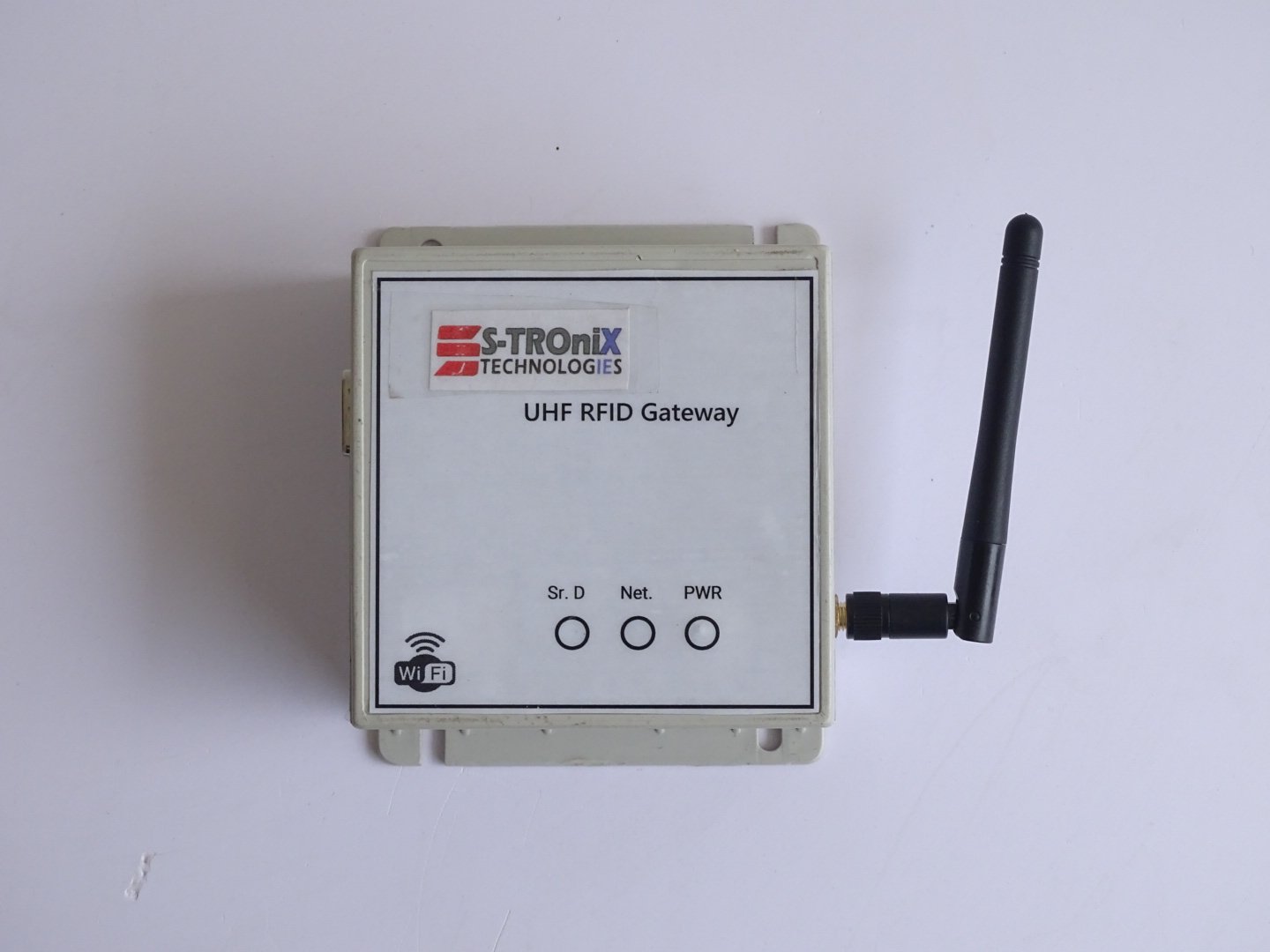
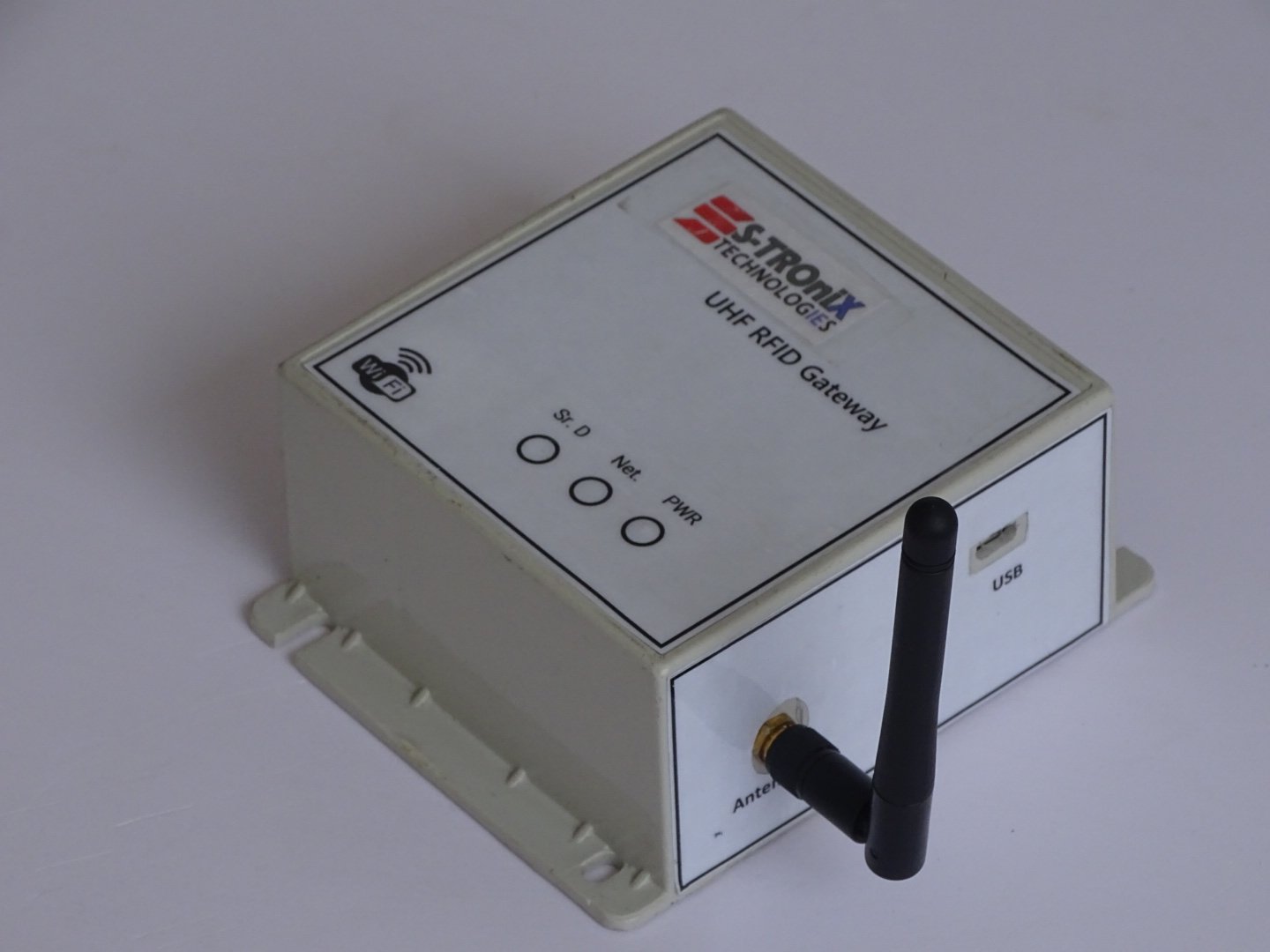
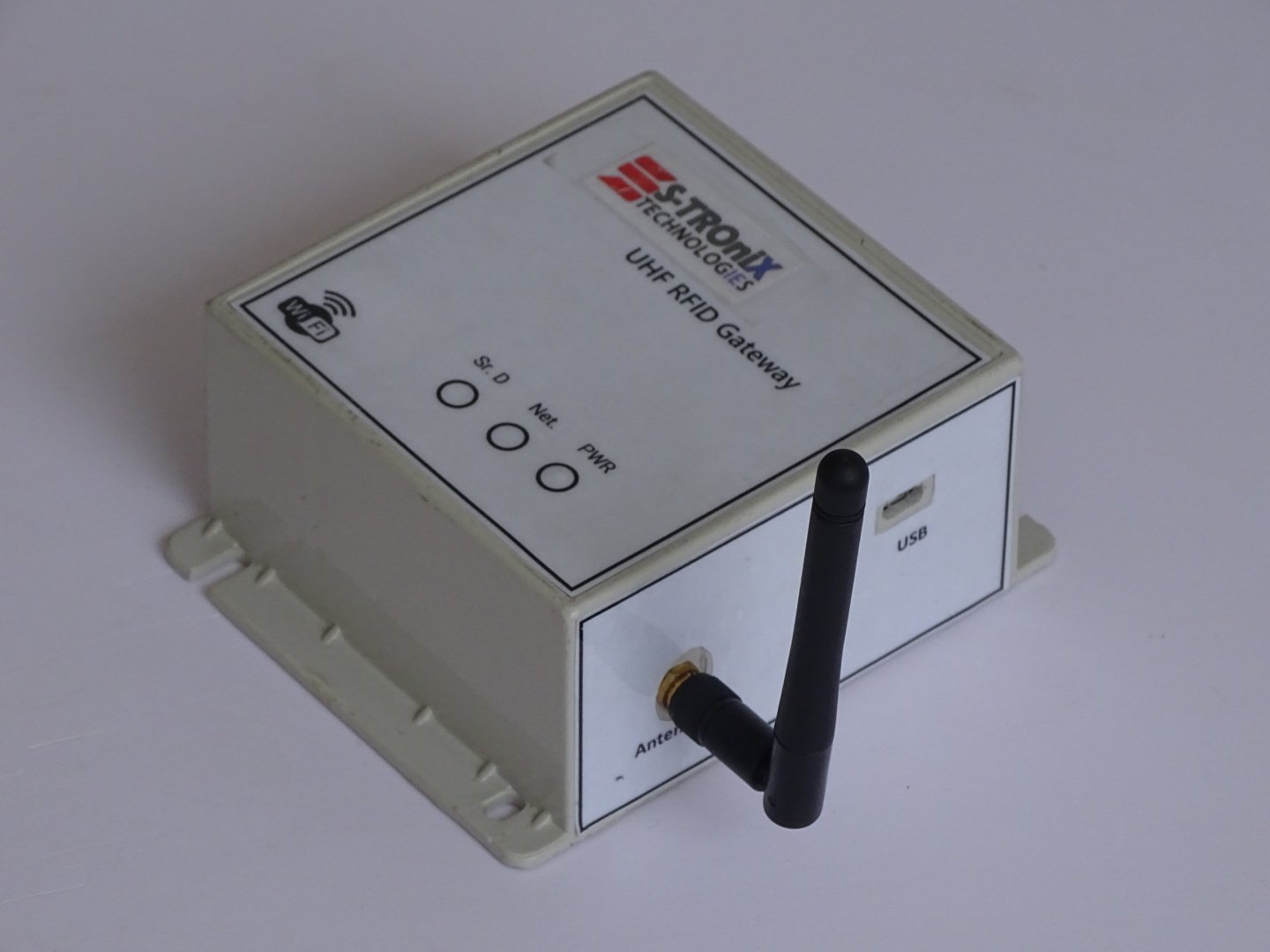
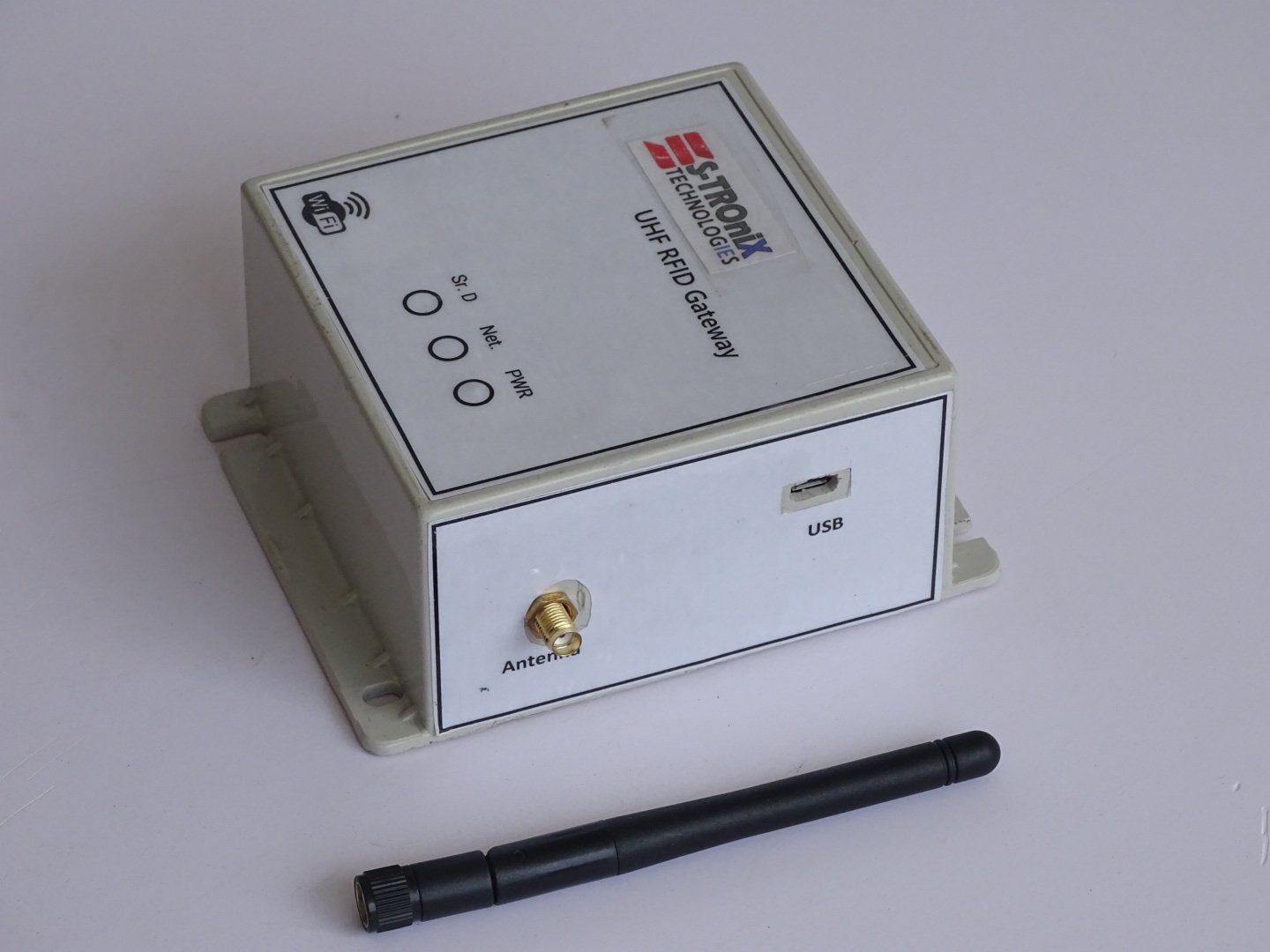
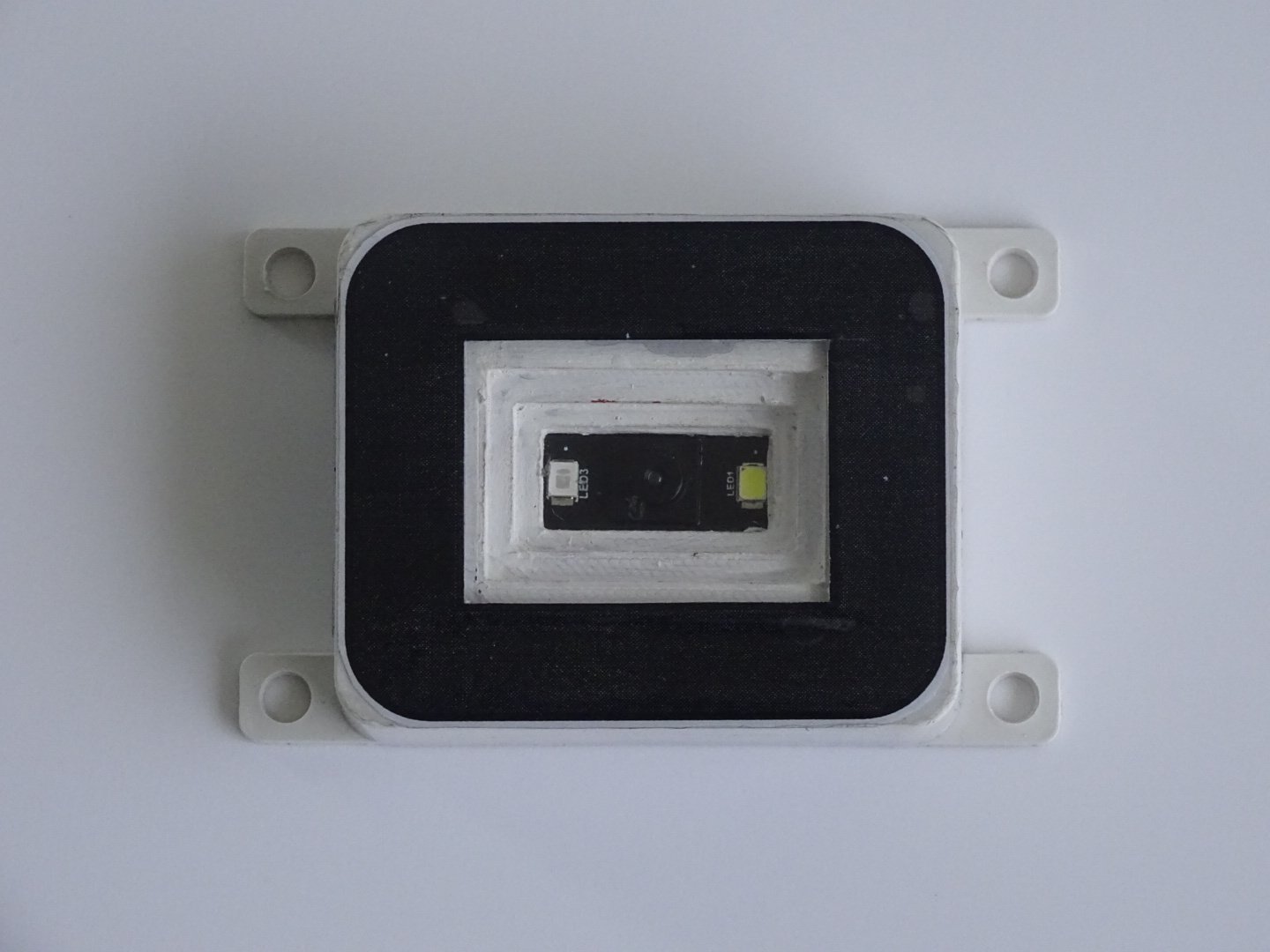
An IoT gateway development architecture relies on a multi-protocol processing core—typically powered by Linux-based embedded processors or high-performance MCUs—to aggregate, translate, and securely route data between local edge sensor networks and cloud infrastructure.
An IoT gateway development setup bridges edge devices and the cloud, serving as the central processing unit that collects, filters, and transmits sensor data. When developing an IoT gateway, the focus centers on building robust firmware and hardware interfaces that support multiple communication
configuring secure data pipelines, implementing local edge processing to reduce latency, managing power efficiency, and establishing reliable over-the-air (OTA) update mechanisms for remote deployment and maintenance.
An IoT gateway development architecture relies on a multi-protocol processing core—typically powered by Linux-based embedded processors or high-performance MCUs—to aggregate, translate, and securely route data between local edge sensor networks and cloud infrastructure. Development involves configuring wired and wireless communication stacks (such as MQTT, HTTP, Wi-Fi, Ethernet, and cellular), implementing local data caching or edge analytics to optimize bandwidth, and establishing robust security protocols alongside over-the-air (OTA) firmware update pipelines for remote management.
An IoT gateway development architecture relies on a multi-protocol processing core—typically powered by Linux-based embedded processors or high-performance MCUs—to aggregate, translate, and securely route data between local edge sensor networks and cloud infrastructure. Development involves configuring wired and wireless communication stacks (such as MQTT, HTTP, Wi-Fi, Ethernet, and cellular), implementing local data caching or edge analytics to optimize bandwidth, and establishing robust security protocols alongside over-the-air (OTA) firmware update pipelines for remote management.